Autonomous racing · 2020–2022
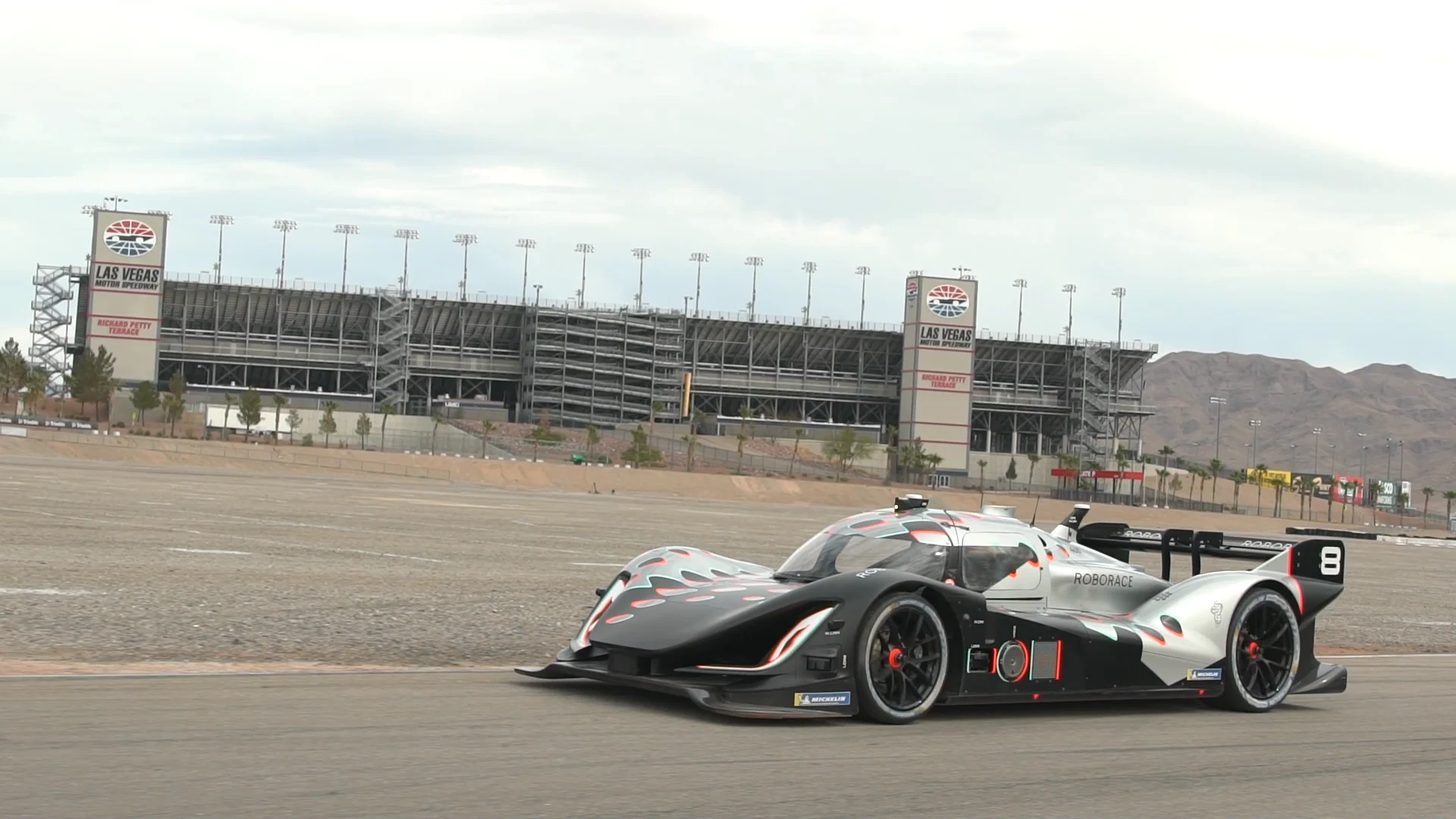
Roborace Autonomous Racing Competition
Collaborative motion-planning work, vehicle-platform integration, and deployment support for a full-scale autonomous race car.
01
Overview
Roborace was an autonomous-racing initiative built around full-scale, high-performance electric race cars. Participating teams developed their own autonomous-driving software, but that software also had to be integrated with the interfaces and base software provided by the vehicle platform before it could run on the car.
I worked as part of a team on the Roborace platform between 2020 and 2022. My contribution covered collaborative work on the high-level motion-planning component, integration between our autonomy stack and the vehicle’s underlying software layer, and the practical workflow used to prepare and operate the software during remote test sessions. I did not develop the complete motion planner or autonomous-driving stack.
The integration work was central to the project. Planning and other autonomy components could not operate independently of the vehicle platform: the software interfaces, start-up sequence, and runtime behaviour had to fit the base layer. I worked on this boundary and helped verify that the different parts of the system could operate together correctly on the real vehicle.
Remote testing made that systems work concrete. I prepared the latest software version for the car, deployed it, started the required components, checked that the stack was running correctly, and verified readiness before testing began. When a component failed to start or an interface did not behave as expected, I helped trace the issue so the team could determine whether the system was ready to continue. These checks took place in the context of a full-scale autonomous race car, where several software components and vehicle interfaces had to be available together before a test could proceed.
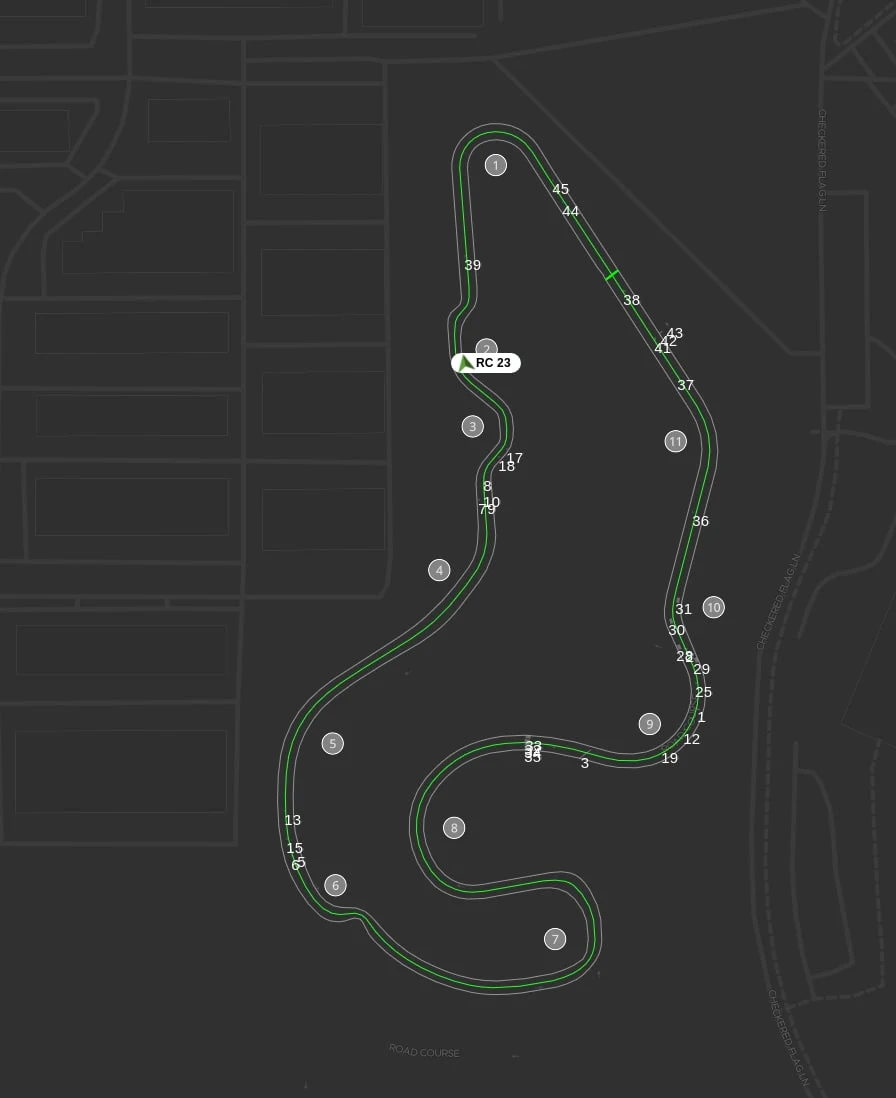
Race Control view during competition
I also worked on GitLab CI/CD pipelines that supported the software build and deployment workflow. Their purpose was practical: make preparation more repeatable, reduce avoidable manual steps, and provide a more consistent path from a software change to a version that could be deployed for vehicle testing.
My Roborace work began before and helped establish the systems-engineering foundation for my later work on the Indy Autonomous Challenge. Roborace showed me directly that autonomous driving extends beyond individual planning, perception, or control components: the complete stack must also be integrated with the vehicle, deployed, started, checked, and validated before real testing can begin.
02
My contribution
- Contributed with other team members to the high-level motion-planning component of the autonomous-driving stack.
- Worked on the interface between the team’s autonomous-driving software and the base software layer provided by the vehicle platform.
- Prepared and deployed software to the car during remote test sessions, started the required components, and verified that the stack was ready before testing.
- Helped diagnose integration and start-up problems when software components or vehicle interfaces did not behave as expected.
- Worked on GitLab CI/CD pipelines that made software preparation and deployment more repeatable and reduced manual work before vehicle tests.
03
Technical details
High-level motion planning
I contributed to this component collaboratively with other team members. My role did not encompass development of the complete motion planner.
Vehicle-platform integration
The autonomy stack had to interface correctly with the vehicle’s underlying software layer. I worked on connecting these layers and verifying their operation together on the real car.
Deployment and remote testing
Before remote tests, I prepared and deployed the latest software, started the required components, checked stack health, and helped resolve integration or start-up issues.
GitLab CI/CD
I worked on pipelines supporting repeatable software build and deployment workflows, reducing the manual preparation needed before testing.
04
Technologies
05
Media